Inclined tube sedimentation tank
Inclined tube sedimentation tank
Inclined tube sedimentation tank
- Detail
- Parameters
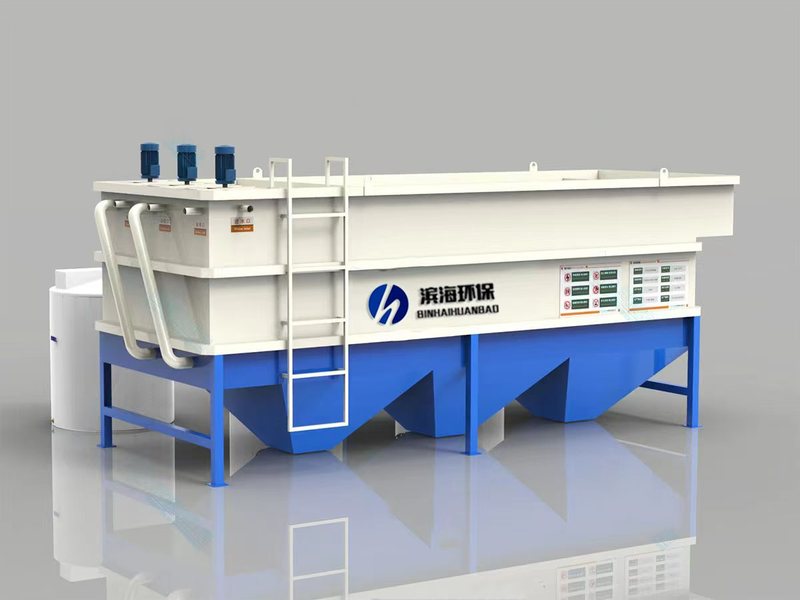
The inclined tube sedimentation tank is a classic equipment in the water treatment process, which improves the sedimentation efficiency through a unique structural design. I will comprehensively elaborate on the relevant content of inclined tube sedimentation tank from the aspects of definition, principle, structure, advantages, application and development. The inclined tube sedimentation tank is a kind of high-efficiency solid-liquid separation equipment developed according to the shallow tank theory, which is widely used in water supply, sewage treatment and other fields. The core principle is to subdivide the sedimentation area by setting up a large number of parallel inclined pipes or inclined plates in the sedimentation tank, shorten the particle settlement distance, increase the sedimentation area, and significantly improve the sedimentation efficiency. From the structural point of view, the inclined pipe sedimentation tank is mainly composed of four parts: water distribution area, inclined pipe area, sedimentation area and water collection area. The function of the water distribution area is to evenly distribute the water to be treated into the sedimentation tank; The inclined pipe area is the key part of the whole sedimentation tank, which is closely arranged by many inclined pipes made of polypropylene or polyvinyl chloride, and the inclined pipes are generally at an angle of 60° with the horizontal plane, which can not only ensure the stability of the water flow, but also facilitate the sludge to slide; The sedimentation zone undertakes the sludge that slides down from the inclined pipe for further thickening and sedimentation; The catchment area is responsible for collecting the water that has been purified by sedimentation and draining it. Compared with the traditional advection sedimentation tank and vertical flow sedimentation tank, the inclined tube sedimentation tank has many significant advantages. First of all, the sedimentation efficiency is greatly improved. Due to the presence of inclined tubes, the sedimentation area is increased, the settling time of the particles is shortened, the sedimentation efficiency can be increased by 3 - 7 times, and the treated water per unit area is significantly increased. Secondly, it occupies a small area. With the same amount of water, the footprint of the inclined tube sedimentation tank is only 1/3 - 1/5 of the traditional sedimentation tank, which is especially important for areas with tight land resources and can effectively save construction costs. In addition, the sludge discharge performance of the inclined pipe sedimentation tank is good, and the sludge can slide smoothly to the sludge hopper by gravity in the inclined pipe, which reduces the residence time of the sludge in the tank, reduces the possibility of anaerobic fermentation of sludge, and is conducive to maintaining good effluent quality. In practical applications, inclined tube sedimentation tanks are very common. In terms of water supply treatment, it can be used to remove suspended impurities such as sediment and algae in raw water, so that the water quality can meet the standards of subsequent treatment or drinking; In the field of sewage treatment, whether it is urban domestic sewage, or industrial wastewater such as food processing, textile printing and dyeing, the inclined pipe sedimentation tank can effectively separate the suspended solids in the sewage, reduce the turbidity of the sewage, and create good conditions for the subsequent treatment process as a pretreatment or advanced treatment unit. For example, in some sewage treatment plants, the biologically treated sewage enters the inclined pipe sedimentation tank to further remove the residual biological sludge and suspended solids, so that the effluent quality meets the standard discharge. Despite the obvious advantages of inclined tube sedimentation tanks, there are also some problems that need to be paid attention to during operation. For example, inclined pipes are prone to blockage, especially when dealing with high-concentration sludge-containing sewage, impurities and sludge may accumulate in the inclined pipe, affecting the sedimentation effect and the normal passage of water flow; In addition, the aging and damage of the inclined pipe material will also reduce the performance of the equipment.However, with the continuous progress of technology, new anti-clogging and corrosion-resistant inclined pipe materials are emerging, and intelligent monitoring and automatic dredging technology are gradually applied to inclined pipe sedimentation tanks, which will further improve the operation stability and treatment effect of inclined pipe sedimentation tanks, so that they will continue to play an important role in the water treatment industry and contribute to the purification and rational utilization of water resources.